

The surrogacy screening process in California that candidates encounter is designed to determine whether a prospective surrogate is medically and emotionally prepared for the responsibilities of carrying a pregnancy for intended parents. Screening is not simply a formality before matching. It allows candidates, intended parents, medical professionals, and agencies to evaluate important considerations before a journey begins.
While specific requirements can vary, screening generally involves several stages covering medical history, physical health, psychological readiness, lifestyle factors, and background information.
1. The Initial Application
The process typically begins with an application that collects information about a prospective surrogate’s health, pregnancy history, lifestyle, and personal circumstances. Candidates may be asked about previous pregnancies and deliveries, current health, medications, lifestyle habits, and other information relevant to eligibility.
This initial stage helps determine whether a candidate appears to meet the agency’s basic surrogate requirements before more extensive evaluations take place. Being honest and thorough at this stage is important. The purpose is not to create unnecessary barriers but to identify factors that may require additional review.
2. Medical Evaluation
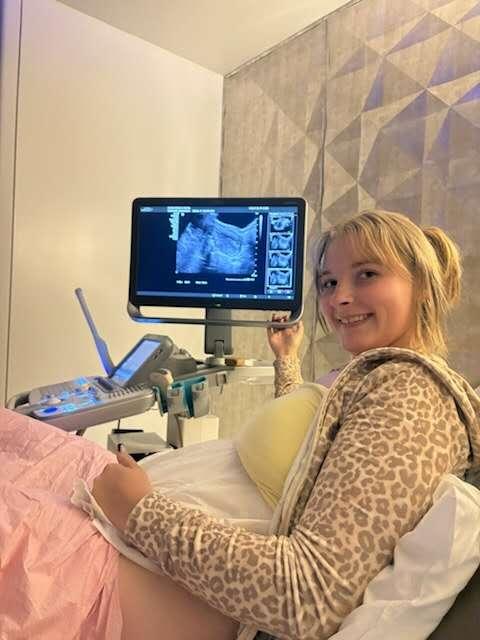
Medical screening is one of the most important parts of the process. A prospective gestational carrier may undergo an examination with a fertility specialist to assess her reproductive health and ability to safely carry a pregnancy. Medical professionals may review previous pregnancy records, medical history, laboratory results, and other relevant information.
Depending on the circumstances, additional testing may be recommended. The medical evaluation is ultimately focused on the candidate’s health and pregnancy-related considerations. It also helps identify issues that should be addressed before an embryo transfer is considered.
3. Psychological Screening
Surrogacy involves a significant emotional commitment, which is why psychological screening is another important component. A mental health professional may evaluate a prospective surrogate’s understanding of surrogacy, motivations, expectations, emotional readiness, and ability to manage the challenges associated with pregnancy for intended parents.
This stage can also provide an opportunity for candidates to discuss concerns they may have about the relationship with intended parents, pregnancy, communication, or the eventual transition after birth. Psychological screening is not intended to judge whether someone is a good or bad person. Instead, it helps determine whether the candidate understands the nature of the commitment and has appropriate support and coping resources.
4. Lifestyle and Background Information
The screening process may also examine lifestyle factors that could affect pregnancy or the overall journey. Candidates may be asked about tobacco, alcohol, recreational drug use, medications, employment, living circumstances, and other aspects of their daily lives. Background checks may also form part of the process. These evaluations help provide a broader understanding of a prospective surrogate rather than relying only on medical information.
5. Reviewing Eligibility
Once the relevant information has been collected, the agency and appropriate professionals can determine whether the candidate meets the applicable requirements. Eligibility can depend on several factors, including medical history, previous pregnancies, psychological readiness, lifestyle considerations, and other circumstances.
This stage is important because not every woman who wants to become a surrogate will necessarily qualify. Receiving a decision based on established criteria can help protect the candidate and the other participants in the journey.
6. Moving Toward Matching
Candidates who complete the necessary screening may then move toward the matching stage. This is where screening information becomes relevant to finding compatible intended parents. A strong match involves more than meeting medical criteria. Communication preferences, expectations, personalities, and views about the relationship can also be considered.
The screening process therefore serves as a foundation for the broader surrogacy process. It helps establish that a candidate is prepared for the journey before the parties begin developing a relationship and moving toward medical treatment.

Alpha Fidelis helps prospective surrogates understand each stage before moving forward. We provide guidance on surrogate eligibility, explain surrogate requirements, and support candidates as they move through the surrogacy screening process in California. We also help intended parents understand screening and matching through our surrogacy services for intended parents. With 500+ families served and more than 10 years of experience, our team provides one-on-one personalized care in English, Spanish, and Mandarin.
To discuss eligibility, screening, or the next steps, contact us.