

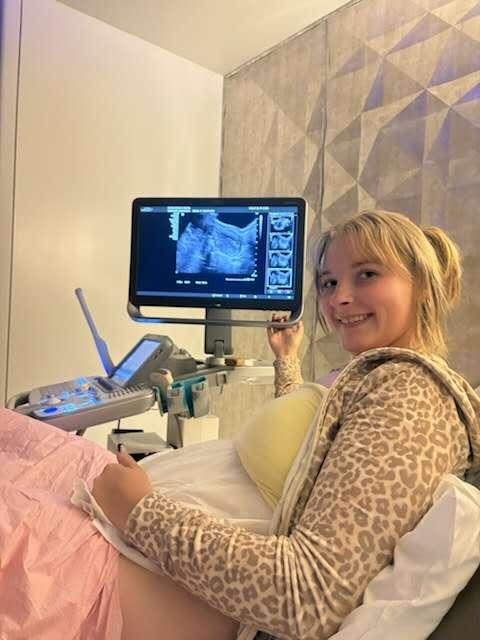
A gestational carrier agency in California may be asked what research says about pregnancy outcomes, especially as more families consider gestational surrogacy. A 2026 study from Kaiser Permanente Southern California offers useful data, but its findings are best understood as population-level evidence rather than a forecast for any individual pregnancy.
For a gestational surrogate, medical decisions still depend on personal health history, fertility-clinic protocols, obstetric care, and the circumstances of a specific pregnancy. Research can inform discussions, but it cannot replace evaluation and guidance from qualified medical professionals.
What the Southern California Study Examined
The study, published online in the American Journal of Perinatology in June 2026, reviewed IVF pregnancies receiving obstetric care within Kaiser Permanente Southern California from 2008 through 2023. Researchers analyzed 15,822 IVF pregnancies, including 997 gestational-surrogate pregnancies. They compared several perinatal outcomes between surrogate and non-surrogate IVF pregnancies after adjusting for measured factors. Births before 20 weeks were excluded from the analysis. The study used electronic health records, natural language processing, and chart review to identify IVF and surrogate pregnancy status.
What the Findings Did and Did Not Show
The researchers reported that gestational surrogacy was not associated with increased risk of placenta previa, placental abruption, or preterm birth in this cohort. They also reported lower adjusted risks for several selected outcomes, including gestational diabetes and preeclampsia or eclampsia. These results describe associations in one retrospective cohort and should not be treated as guarantees about future pregnancies.
Individual Medical Oversight Still Matters
Fertility support services in California operate around a medical journey that includes screening, embryo transfer, prenatal care, and ongoing clinical decisions. ASRM recommends medical evaluation, infectious-disease screening, psychosocial evaluation, counseling, and preconception assessment for gestational carriers. Those recommendations help show why research findings and individual care plans serve different purposes. Medical teams can then apply those standards to the carrier’s history, test results, and treatment plan rather than relying on an average result from a research population.
Study populations can differ in age, health history, insurance, multiple-gestation rates, clinic practices, and other characteristics. Retrospective research can also be affected by factors that are not fully captured in existing records. For intended parents and carriers, the practical lesson is to use new evidence as a conversation starter with clinicians rather than a substitute for medical advice. The study itself also reported demographic and clinical differences between the surrogate and non-surrogate IVF groups, which is important context when reading the adjusted comparisons.
Using Research as One Part of an Informed Journey
The surrogacy process in California brings together evidence, individual medical care, legal planning, and personal decision-making. Recent studies can add context, but each pregnancy still deserves individualized clinical attention.
At Alpha Fidelis Corporation, we support intended parents through surrogacy for intended parents in California with personalized guidance and coordination. We help families stay informed and organized while qualified medical professionals remain responsible for clinical evaluation and care.
Learn more how our team supports intended parents.