


For women researching how to become a surrogate in California, submitting an application is only the beginning. The first month after applying can involve several conversations, information requests, evaluations, and preparation for the matching stage. Understanding what may happen during those first 30 days can make the process feel more structured and give prospective surrogates a clearer idea of what to expect.
The exact timeline varies depending on individual circumstances, agency procedures, and how quickly required information can be collected. However, the first month generally focuses on determining eligibility, completing initial screening, and preparing qualified candidates for potential matching.
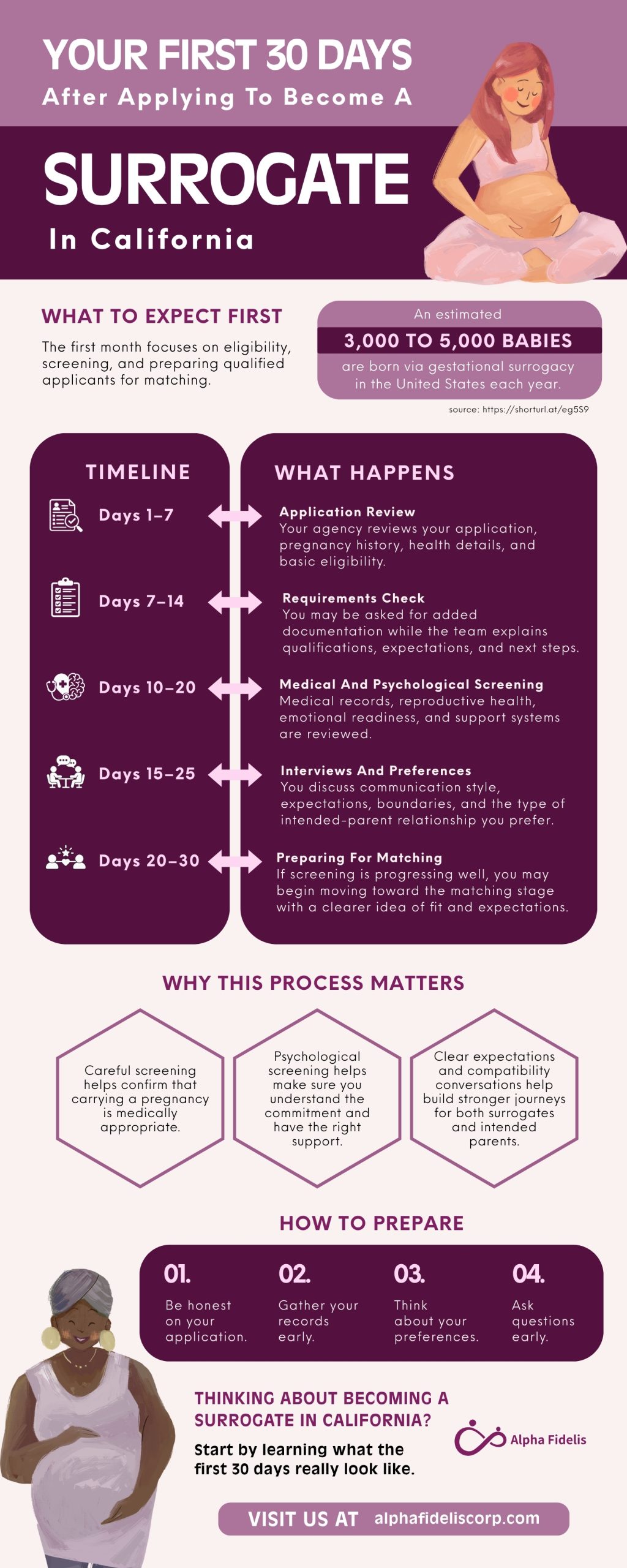
Days 1–7: Initial Contact and Application Review
After submitting a surrogate application, the first step is generally an initial review of the information provided. An agency may contact the applicant to discuss her application, answer questions, and clarify information about her health, pregnancy history, lifestyle, and circumstances.
This conversation is an opportunity for prospective surrogates to ask questions as well. Women considering surrogate eligibility may want to understand the agency’s requirements, what the screening process involves, and what support is available throughout a potential journey. The initial stage may also involve providing additional documentation if certain information is missing from the application.
Days 7–14: Reviewing Surrogate Requirements
Once the initial application has been reviewed, the prospective surrogate may move into a more detailed eligibility process. Agencies generally have specific surrogate requirements that candidates need to meet before progressing.
These requirements can relate to previous pregnancies, general health, lifestyle, and other factors relevant to carrying a pregnancy for intended parents. At this point, candidates should have opportunities to ask questions about any requirements they do not understand. A clear explanation can help women determine whether they are prepared to continue before completing additional screening.
Days 10–20: Medical and Psychological Screening
The surrogacy screening process may include medical and psychological evaluations. Medical screening helps assess whether a prospective gestational carrier is physically prepared for pregnancy, while psychological screening considers her understanding of surrogacy, expectations, motivations, and emotional readiness.
The timing of these evaluations can vary. Medical records may need to be collected, appointments may need to be scheduled, and additional information may sometimes be requested. Psychological screening can also allow candidates to discuss their expectations about communication with intended parents, pregnancy, boundaries, and the overall relationship.
Days 15–25: Interviews and Personal Preferences
As screening progresses, conversations may become more focused on the type of journey a candidate hopes to have. An agency may discuss communication preferences, expectations regarding intended parents, availability, and other practical considerations. These conversations can be useful because eligibility alone does not determine whether a particular match will be appropriate.
Prospective surrogates may also be asked about the type of relationship they would prefer with intended parents. Some women may want frequent communication, while others may prefer a more structured arrangement. Being honest about these preferences can help create more compatible potential matches.
Days 20–30: Preparing for Matching
Once the required screening and documentation are completed, an eligible candidate may begin moving toward the matching stage. Matching is not simply about finding intended parents who are looking for a surrogate. It involves considering compatibility, expectations, communication styles, and other personal preferences alongside relevant eligibility information.
The candidate may receive information about potential intended parents and have an opportunity to consider whether the relationship appears suitable. Intended parents also evaluate whether they feel comfortable moving forward with a particular candidate. If both sides are interested, further conversations may take place before a match is finalized.
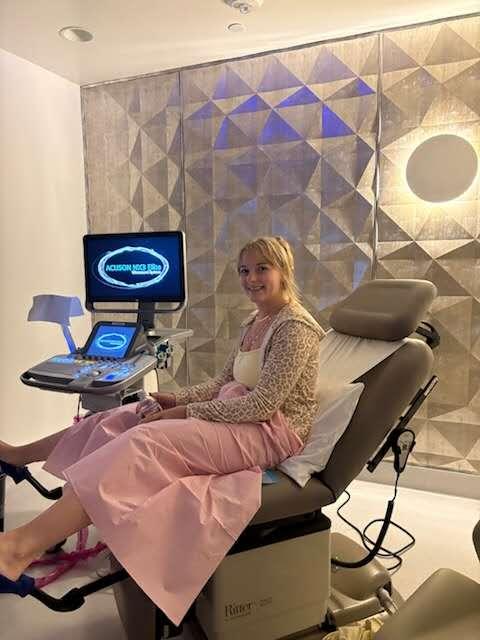
At Alpha Fidelis, we help prospective surrogates understand what to expect after they apply, from reviewing surrogate requirements and assessing surrogate eligibility to completing the surrogacy screening process and preparing for matching. We provide one-on-one guidance throughout the surrogacy process, answer questions about the surrogate application, and help candidates understand each stage before moving forward. With 500+ families served and more than 10 years of experience, our staff provides personalized support in English, Spanish, and Mandarin during business hours.
If you are researching how to become a surrogate in California, contact us.